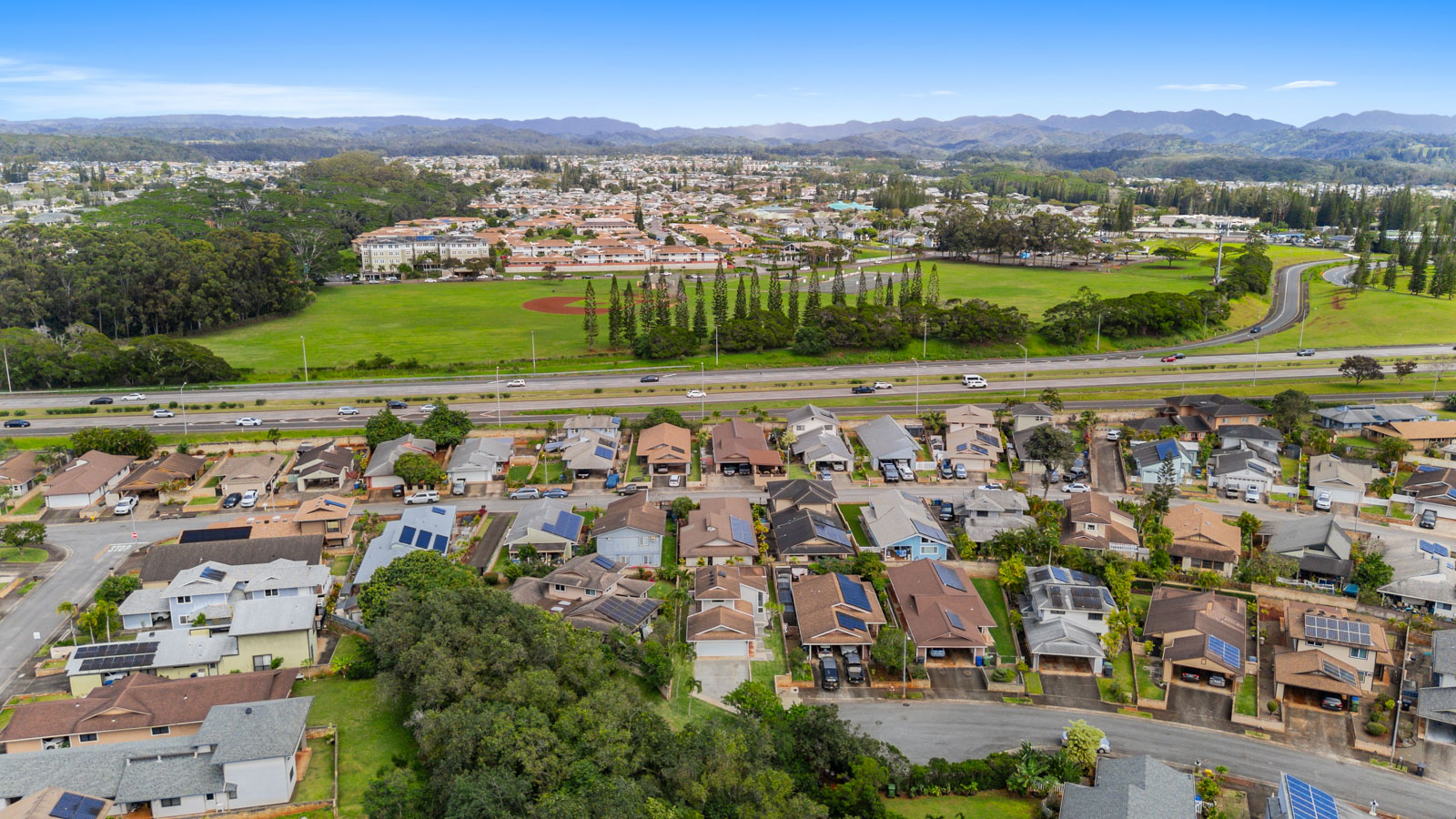
Aerial view of Mililani, Oahu - Central Oahu real estate by Your Oahu Home Team

Oahu Real Estate Market Updates, Neighborhood Guides & Homebuyer Tips

Welcome to Your Oahu Home Team's blog — your local resource for Oahu real estate market updates, neighborhood guides, and practical advice for buyers, sellers, and investors. We share insight on Mililani, Central Oahu, Kapolei, Ewa Beach, Ho'opili, and Koa Ridge, along with guidance on VA home loans, military relocation to Hawaii, and first-time homebuyer programs.

Whether you're searching for current Oahu market trends, exploring a new neighborhood, or preparing to buy or sell a home, you'll find clear, locally-focused information here to help you make confident real estate decisions.

Have a question about a specific neighborhood or property? Reach out anytime — we'd love to talk story with you.

April 1, 2026

Hawaii Kai Parks and Recreation Guide 2026: Beaches, Trails, and Outdoor Activities

Best Parks and Beaches in Hawaii Kai

Hawaii Kai offers some of the best outdoor recreation on Oahu's east side. From sandy beaches to nature preserves, families and outdoor enthusiasts have plenty of options within minutes of home. The area's coastal location means easy access to both ocean activities and mountain trails.

Hanauma Bay Nature Preserve

One of Hawaii's most famous snorkeling destinations sits right in Hawaii Kai. Hanauma Bay is a protected marine life conservation area with calm, clear waters ideal for families. Reservations are required for non-residents, and the bay is closed on Mondays and Tuesdays for conservation. Arrive early for the best experience.

Sandy Beach Park

Known for its powerful shorebreak, Sandy Beach is popular with bodysurfers and bodyboarders. It's also a favorite spot for kite flying and picnics. The beach has restrooms, showers, and a large grassy area. Be cautious of strong currents—this beach is best for experienced ocean swimmers.

Koko Head District Park

This community park includes baseball fields, basketball courts, a playground, and open green space. It's a hub for youth sports leagues and weekend family gatherings. The park also serves as the trailhead area for Koko Head Crater Trail.

Koko Head Crater Trail

The Koko Head Stairs offer one of Oahu's most popular hikes—a steep climb up 1,048 railway ties to the summit. The reward is panoramic views of Hanauma Bay, Sandy Beach, and the Windward Coast. It's a challenging workout that draws locals and visitors daily.

Maunalua Bay Beach Park

Located along the Hawaii Kai waterfront, Maunalua Bay is a calm, family-friendly beach ideal for paddleboarding, kayaking, and swimming. The grassy park area has picnic tables, restrooms, and shade trees. It's also a launch point for boat tours and snorkeling excursions.

Trails and Nature Activities

Beyond Koko Head, the area offers access to several coastal trails including the Makapu'u Lighthouse Trail, which provides stunning whale-watching opportunities during winter months. The paved path is stroller-friendly and leads to views of Makapu'u Beach and Rabbit Island.

Community Recreation Programs

The City and County of Honolulu runs recreation programs through Koko Head District Park, including after-school activities, sports leagues, and summer camps for keiki. Check the Honolulu Department of Parks and Recreation website for current schedules and registration.

What Families Should Know

Hawaii Kai's outdoor offerings are a major draw for families who value an active lifestyle. The combination of world-class beaches, challenging hikes, and calm bay waters makes this one of the most recreation-rich neighborhoods on Oahu. Homes near Maunalua Bay and Portlock offer the closest access to waterfront activities.

Need help finding a home near Hawaii Kai's best parks and beaches? Contact our team to explore neighborhoods with the outdoor lifestyle you're looking for.

Related: Hawaii Kai Schools Guide | Hawaii Kai Property Tax Guide | Hawaii Kai Commute Guide

Posted in Hawaii Kai
April 1, 2026

Honolulu Schools Guide 2026: Public & Private School Options

Public Schools in Metro Honolulu

Metro Honolulu spans multiple DOE school complexes, so the schools available to your family depend heavily on which neighborhood you buy in. Areas like Makiki, Manoa, Kaimuki, and Kakaʻako each feed into different school complexes with their own elementary, middle, and high school assignments.

Notable Public High Schools

  • Roosevelt High School – Serves Makiki, McCully, and parts of Manoa. One of the oldest and most well-known public high schools in Honolulu.
  • McKinley High School – Located near downtown Honolulu, serving Kakaʻako and surrounding neighborhoods.
  • Kaimuki High School – Serves the Kaimuki, Palolo, and St. Louis Heights areas.

Notable Elementary Schools

  • Noelani Elementary – In upper Manoa, regarded as one of the stronger public elementary schools in the Honolulu district.
  • Manoa Elementary – Serves the Manoa Valley neighborhood.
  • Ala Wai Elementary – Near the Ala Wai Canal area, serving parts of McCully and lower Makiki.

Private School Options

Metro Honolulu has the largest concentration of private schools on Oahu. Notable options include Punahou School, ʻIolani School, Sacred Hearts Academy, St. Andrew’s Schools, La Pietra, and Mid-Pacific Institute. Many families in Honolulu weigh the cost of private tuition against the advantage of attending well-established private institutions within easy commuting distance.

What Families Should Know

Because metro Honolulu covers many neighborhoods and multiple school complexes, school zoning varies block by block. Always verify the DOE school assignment for your specific address before purchasing. Some of the most sought-after public school zones in Honolulu—particularly around Noelani Elementary and Roosevelt High—can influence home prices in those neighborhoods.

Need help understanding which schools serve a specific Honolulu address? Contact our team—we regularly help families navigate school zones when choosing a neighborhood.

Related: Living in Honolulu | Honolulu Property Tax Guide | Commuting in Honolulu | Parks & Recreation | Shopping & Dining

Posted in Honolulu
April 1, 2026

Waipahu Schools Guide 2026: Elementary, Middle & High Schools

Public Schools in Waipahu

Waipahu is served by the Waipahu school complex within the Hawaii Department of Education system. The complex provides a full K–12 public school pathway, and the area has seen ongoing investment in school facilities over the years.

Elementary Schools

  • Waipahu Elementary – One of the original schools in the area, serving central Waipahu.
  • August Ahrens Elementary – Located near the Waipahu Town Center area.
  • Honowai Elementary – Serves the Honowai neighborhood on the west side of Waipahu.
  • Kaleiopuu Elementary – Serves families in the Waikele and upper Waipahu areas.

Middle School

  • Waipahu Intermediate School – The primary middle school for the Waipahu complex, serving grades 7–8.

High School

  • Waipahu High School – The main public high school for the area. Waipahu High has invested in career and technical education (CTE) programs and offers a range of extracurricular activities. The school has an active community around athletics and performing arts.

Private and Charter School Options

Waipahu itself does not have many private schools within its boundaries, but families have access to private options in nearby Pearl City, Aiea, and along the H-1 corridor toward Honolulu. Some families also consider charter schools depending on availability.

What Families Should Know

School zoning is set by the Hawaii DOE based on your home address. If you are buying in Waipahu, verify which elementary school zone your target property falls in—boundaries can differ between subdivisions that appear close together. The Waipahu complex feeds into a single high school, so the main variable for families is the elementary school assignment.

Waipahu’s schools have seen improvements in recent years, and the area’s affordability means families can often purchase a home and still have budget to supplement education with tutoring or enrichment programs if desired.

Questions about schools near a specific Waipahu property? Contact our team—we help families match neighborhoods to school priorities.

Related: Living in Waipahu | Waipahu Property Tax Guide | Commuting From Waipahu | Parks & Recreation | Shopping & Dining

Posted in Waipahu
April 1, 2026

Hawaii Kai Schools Guide 2026: Elementary, Middle & High Schools

Public Schools in Hawaii Kai

Hawaii Kai families are served by the Hawaii Kai–Kamiloiki–Kalani school complex within the Hawaii Department of Education system. The area offers a clear K–12 pathway through well-established public schools, which is one reason families with school-age children are drawn to this part of East Oahu.

Elementary Schools

  • Hahaione Elementary – Serves the Hahaione Valley area of Hawaii Kai. Known for a strong community feel and parent involvement.
  • Kamiloiki Elementary – Located in the Kamiloiki neighborhood, offering a neighborhood school experience with an active PTA.
  • Koko Head Elementary – Serves parts of central Hawaii Kai. Walkable for many families in the surrounding subdivisions.

Middle School

  • Niu Valley Middle School – The primary middle school serving Hawaii Kai students. Offers a range of electives and extracurricular activities.

High School

  • Kaiser High School – The main public high school for Hawaii Kai. Kaiser is known for strong academics, athletics, and a wide range of AP and honors courses. It consistently ranks among the better-regarded public high schools on Oahu.

Private and Charter School Options

While Hawaii Kai does not have a large concentration of private schools within its immediate boundaries, families have reasonable access to several private options in nearby East Honolulu, including Star of the Sea, Hawaii Baptist Academy, and others along the H-1 corridor. Some families also choose charter schools depending on availability and preference.

What Families Should Know

School zoning in Hawaii is determined by the Hawaii DOE based on your home address. When buying in Hawaii Kai, confirm which school zone applies to your specific property—especially if you are targeting a particular elementary school. Boundaries can sometimes split a neighborhood between two schools.

Hawaii Kai’s public school pathway (elementary through Kaiser High) is one of the stronger public school tracks on Oahu, and for many families it removes the need to go private—which can save a significant amount over K–12.

Have questions about schools near a specific Hawaii Kai property? Contact our team—we help families evaluate neighborhoods with schools in mind.

Related: Living in Hawaii Kai | Hawaii Kai Property Tax Guide | Commuting From Hawaii Kai | Parks & Recreation | Shopping & Dining

Posted in Hawaii Kai
April 1, 2026

Salt Lake Property Tax Guide 2026: Rates, Exemptions, and Homeowner Costs

How Property Taxes Work in Salt Lake

Salt Lake is part of the City and County of Honolulu tax system, like every neighborhood on Oahu. Your property tax rate depends on how the property is classified. For most buyers purchasing a condo or townhome in Salt Lake as a primary residence, the owner-occupied classification applies and provides the lowest residential rates available.

Owner-Occupied Tax Rates for 2025–2026

For the July 1, 2025 through June 30, 2026 tax year, owner-occupied properties on Oahu are taxed at three tiers:

  • Tier 1: $1.65 per $1,000 of net taxable value up to and including $1,300,000
  • Tier 2: $1.80 per $1,000 from $1,300,001 to $4,500,000
  • Tier 3: $3.25 per $1,000 above $4,500,000

Salt Lake is primarily a condo and townhome market with relatively affordable price points compared to many Honolulu neighborhoods. Most owner-occupied properties here fall well within Tier 1, keeping annual property tax bills manageable.

Home Exemption: Lowering Your Tax Bill

The home exemption reduces the taxable value of your property if you own and occupy it as your primary residence. For the 2025–2026 tax year:

  • Under age 65: $120,000 exemption
  • Age 65 and older: $160,000 exemption

The filing deadline is September 30 for the following tax year. Because many Salt Lake condos are priced in the $300,000 to $600,000 range, the $120,000 exemption represents a significant percentage of the assessed value—making it especially worthwhile to file on time.

Sample Tax Calculation for a Salt Lake Condo

If you purchase a Salt Lake condo assessed at $450,000 and qualify for the standard $120,000 home exemption, your taxable value drops to $330,000. At the Tier 1 owner-occupied rate of $1.65 per $1,000, your annual property tax would be approximately $545 per year.

For a homeowner age 65 or older with the $160,000 exemption, the taxable value becomes $290,000, bringing the annual tax to approximately $479 per year.

Maintenance Fees: A Major Factor in Salt Lake

Salt Lake has many older condo buildings, and maintenance fees here can be significant. Monthly fees typically range from $400 to over $900 depending on the building’s age, amenities, and reserve fund health. Some buildings with deferred maintenance or upcoming special assessments may carry additional costs. When evaluating a Salt Lake condo, always request the most recent reserve study, board meeting minutes, and maintenance fee history before making an offer.

Action Step for Buyers

If you are buying in Salt Lake as a primary residence, file for the homeowner exemption before September 30 and budget for both property tax and monthly maintenance fees. In many Salt Lake condos, the maintenance fee is the larger monthly expense—so do not overlook it when calculating affordability.

Questions about property taxes or condo ownership costs in Salt Lake? Contact our team for a clear breakdown based on your target property.

Related: Living in Salt Lake | Salt Lake Schools Guide | Commuting From Salt Lake | Parks & Recreation in Salt Lake | Shopping & Dining in Salt Lake

Posted in Salt Lake
April 1, 2026

Waikiki Property Tax Guide 2026: Rates, Exemptions, and Homeowner Costs

How Property Taxes Work in Waikiki

Waikiki properties fall under the City and County of Honolulu tax system. Because Waikiki is dominated by condos and high-rises—many of which are used as short-term rentals or investment properties—the tax classification matters more here than in most other Oahu neighborhoods. Owner-occupied units get the lowest rates, while non-owner-occupied, hotel/resort, and short-term rental classifications carry significantly higher rates.

Owner-Occupied Tax Rates for 2025–2026

For the July 1, 2025 through June 30, 2026 tax year, owner-occupied properties on Oahu are taxed at three tiers:

  • Tier 1: $1.65 per $1,000 of net taxable value up to and including $1,300,000
  • Tier 2: $1.80 per $1,000 from $1,300,001 to $4,500,000
  • Tier 3: $3.25 per $1,000 above $4,500,000

If you plan to live in your Waikiki condo full-time as your primary residence, the owner-occupied rate applies and is substantially lower than what investors or vacation-rental owners pay. This distinction can mean thousands of dollars per year in savings.

Non-Owner-Occupied and Short-Term Rental Rates

Many Waikiki buyers purchase condos as investment properties or vacation rentals. Non-owner-occupied residential properties are taxed at higher rates, and units operating as short-term rentals (under 180 days) may be classified under the hotel/resort or short-term rental category with even steeper rates. If you are buying in Waikiki as an investment, confirm the exact classification with the City and County before projecting your returns.

Home Exemption for Primary Residents

If you own and occupy your Waikiki condo as your primary residence, you can claim the home exemption. For the 2025–2026 tax year:

  • Under age 65: $120,000 exemption
  • Age 65 and older: $160,000 exemption

The filing deadline is September 30 for the following tax year. This exemption is not available for investment or vacation-rental properties.

Sample Tax Calculation for a Waikiki Condo

If you purchase a Waikiki condo assessed at $500,000 as your primary residence and qualify for the $120,000 home exemption, your taxable value drops to $380,000. At the Tier 1 owner-occupied rate of $1.65 per $1,000, your annual property tax would be approximately $627 per year.

The same $500,000 condo classified as non-owner-occupied would be taxed at a higher rate on the full assessed value with no home exemption—potentially doubling or tripling the annual tax bill.

Maintenance Fees: The Bigger Cost in Waikiki

For most Waikiki condo owners, the monthly maintenance fee is a larger expense than property tax. Older buildings can carry fees of $800 to $1,500 or more per month, covering building insurance, water, sewer, common area upkeep, and sometimes cable or internet. Newer or recently renovated buildings may have lower fees initially. Always request the current maintenance fee schedule and reserve study before making an offer on a Waikiki condo.

Action Step for Buyers

If you are buying a Waikiki condo as your primary residence, file for the homeowner exemption before September 30 and confirm that your unit is classified as owner-occupied. If you are buying as an investment, budget for the higher non-owner-occupied or short-term rental tax rate from day one.

Questions about Waikiki property taxes or condo ownership costs? Contact our team for a clear breakdown.

Related: Living in Waikiki | Waikiki Schools Guide | Commuting From Waikiki | Parks & Recreation in Waikiki | Shopping & Dining in Waikiki

Posted in Waikiki
April 1, 2026

Wahiawa Property Tax Guide 2026: Rates, Exemptions, and Homeowner Costs

How Property Taxes Work in Wahiawa

Wahiawa falls under the City and County of Honolulu tax system, just like every other community on Oahu. Your property tax rate depends on how your property is classified—owner-occupied, non-owner-occupied, agricultural, or another category. For buyers purchasing a primary residence in Wahiawa, the owner-occupied classification provides the lowest residential tax rates on the island.

Owner-Occupied Tax Rates for 2025–2026

For the July 1, 2025 through June 30, 2026 tax year, owner-occupied properties on Oahu are taxed at three tiers:

  • Tier 1: $1.65 per $1,000 of net taxable value up to and including $1,300,000
  • Tier 2: $1.80 per $1,000 from $1,300,001 to $4,500,000
  • Tier 3: $3.25 per $1,000 above $4,500,000

Wahiawa is one of the more affordable areas on Oahu for single-family homes, so the vast majority of owner-occupied properties here fall entirely within Tier 1. This keeps annual property tax bills relatively low compared to neighborhoods closer to Honolulu or on the coast.

Home Exemption: Your Biggest Tax Break

The home exemption reduces the taxable value of your property if you own and occupy it as your primary residence. For the 2025–2026 tax year:

  • Under age 65: $120,000 exemption
  • Age 65 and older: $160,000 exemption

The filing deadline is September 30 for the following tax year. Since Wahiawa home prices tend to be lower than many other Oahu neighborhoods, this exemption can represent a larger percentage reduction in your taxable value—making it even more impactful here.

Sample Tax Calculation for a Wahiawa Home

If you purchase a single-family home in Wahiawa assessed at $700,000 and qualify for the standard $120,000 home exemption, your taxable value drops to $580,000. At the Tier 1 owner-occupied rate of $1.65 per $1,000, your annual property tax would be approximately $957 per year.

For a homeowner age 65 or older with the $160,000 exemption, the taxable value becomes $540,000, bringing the annual tax to approximately $891 per year.

Agricultural Land and Mixed-Use Properties

Wahiawa borders agricultural land and some properties in the area may have ag zoning or mixed classifications. If you are looking at a property with agricultural components, the tax classification and rate may differ from standard residential. Always confirm the exact classification with the City and County before making assumptions about your tax bill.

Action Step for Buyers

If you are buying a home in Wahiawa as your primary residence, file for the homeowner exemption before September 30. Given the relatively affordable home prices in the area, the exemption can knock a meaningful percentage off your annual tax bill—do not leave that money on the table.

Questions about property taxes or total ownership costs in Wahiawa? Contact our team for a straightforward breakdown.

Related: Living in Wahiawa | Wahiawa Schools Guide | Commuting From Wahiawa | Parks & Recreation in Wahiawa | Shopping & Dining in Wahiawa

Posted in Wahiawa
April 1, 2026

Honolulu Property Tax Guide 2026: Rates, Exemptions, and Homeowner Costs

How Property Taxes Work in Honolulu

All property on Oahu is taxed by the City and County of Honolulu under a single system, so whether you buy in downtown Honolulu, Kakaʻako, Manoa, or any other metro neighborhood, the same rate schedule applies. What determines your bill is the property’s classification and assessed value. For most buyers purchasing a primary residence, the owner-occupied class offers the lowest rates.

Owner-Occupied Tax Rates for 2025–2026

For the July 1, 2025 through June 30, 2026 tax year, owner-occupied properties on Oahu are taxed at three tiers:

  • Tier 1: $1.65 per $1,000 of net taxable value up to and including $1,300,000
  • Tier 2: $1.80 per $1,000 from $1,300,001 to $4,500,000
  • Tier 3: $3.25 per $1,000 above $4,500,000

In metro Honolulu, property values vary dramatically—from studio condos under $400,000 to luxury homes well into the millions—so many buyers will encounter Tier 1, while higher-end purchasers may see Tier 2 or even Tier 3 rates on portions of their assessed value.

Home Exemption: Lowering Your Tax Bill

The home exemption reduces your property’s taxable value if you own and occupy it as your primary residence. For the 2025–2026 tax year:

  • Under age 65: $120,000 exemption
  • Age 65 and older: $160,000 exemption

The filing deadline is September 30 for the following tax year. This is especially important for condo buyers in Honolulu, where assessed values can push your tax bill higher than expected if you skip the exemption filing.

Sample Tax Calculation for a Honolulu Condo

If you purchase a condo in Honolulu assessed at $600,000 and qualify for the standard $120,000 home exemption, your taxable value drops to $480,000. At the Tier 1 owner-occupied rate of $1.65 per $1,000, your annual property tax would be approximately $792 per year.

For a single-family home assessed at $1,500,000 with the same $120,000 exemption, the taxable value is $1,380,000. The first $1,300,000 is taxed at $1.65 per $1,000 ($2,145), and the remaining $80,000 at $1.80 per $1,000 ($144), for a total of approximately $2,289 per year.

Condos, HOAs, and Total Ownership Cost

Metro Honolulu is heavily condo-oriented, and monthly maintenance fees are a major part of ownership cost. Older buildings in areas like Makiki or Ala Moana can carry maintenance fees of $600 to $1,200 or more per month. Newer buildings in Kakaʻako or Ward Village often have lower fees initially but may increase over time. Always evaluate property tax and maintenance fees together when comparing Honolulu properties.

Action Step for Buyers

Whether you are buying a condo, townhome, or single-family home in Honolulu, file for the homeowner exemption before the September 30 deadline to ensure you are taxed at the owner-occupied rate. This is one of the simplest ways to keep your annual costs down.

Need help understanding property taxes for a specific Honolulu property? Contact our team for a personalized breakdown.

Related: Living in Honolulu | Honolulu Schools Guide | Commuting in Honolulu | Parks & Recreation in Honolulu | Shopping & Dining in Honolulu

Posted in Honolulu
April 1, 2026

Waipahu Property Tax Guide 2026: Rates, Exemptions, and Homeowner Costs

How Property Taxes Work in Waipahu

Waipahu property taxes are managed by the City and County of Honolulu, just like every other neighborhood on Oahu. Your actual tax bill depends on your property's classification—owner-occupied, non-owner-occupied, commercial, or another category. For most families buying a primary residence in Waipahu, the owner-occupied classification applies and comes with the lowest residential rates.

Owner-Occupied Tax Rates for 2025–2026

For the July 1, 2025 through June 30, 2026 tax year, owner-occupied properties on Oahu are taxed at three tiers:

  • Tier 1: $1.65 per $1,000 of net taxable value up to and including $1,300,000
  • Tier 2: $1.80 per $1,000 from $1,300,001 to $4,500,000
  • Tier 3: $3.25 per $1,000 above $4,500,000

Most single-family homes and townhomes in Waipahu fall within the Tier 1 range, which keeps annual property tax relatively affordable compared to higher-priced areas on the island.

Home Exemption: Reducing Your Taxable Value

The home exemption is the most common way Waipahu homeowners lower their property tax bill. For the 2025–2026 tax year:

  • Under age 65: $120,000 exemption
  • Age 65 and older: $160,000 exemption

To qualify, you must own and occupy the property as your primary residence. The filing deadline is September 30 for the following tax year. If you close on a Waipahu home and forget to file, you will pay tax on the full assessed value—so this is a critical step for new buyers.

Sample Tax Calculation for a Waipahu Home

Suppose you purchase a Waipahu home assessed at $800,000 and qualify for the standard $120,000 home exemption. Your taxable value drops to $680,000. At the Tier 1 owner-occupied rate of $1.65 per $1,000, your annual property tax would be approximately $1,122 per year.

If you are 65 or older and qualify for the $160,000 exemption, the taxable value becomes $640,000, bringing the annual tax to approximately $1,056 per year.

HOA and Maintenance Fees

Many Waipahu townhome and condo communities also have monthly HOA or maintenance fees on top of property tax. These fees vary widely depending on the complex and can range from a few hundred dollars to over $700 per month for older condo buildings with elevators or shared amenities. When budgeting for a Waipahu purchase, always factor in HOA dues alongside the property tax estimate.

Action Step for Buyers

If you are buying in Waipahu as a primary residence, make sure you file for the homeowner exemption before the September 30 deadline. This is one of the easiest ways to reduce your annual ownership costs, and missing it can cost you hundreds of dollars in the first year alone.

Have questions about property taxes or total ownership costs in Waipahu? Reach out to our team and we will walk you through the numbers for your specific situation.

Related: Living in Waipahu | Waipahu Schools Guide | Commuting From Waipahu | Parks & Recreation in Waipahu | Shopping & Dining in Waipahu

Posted in Waipahu
April 1, 2026

Hawaii Kai Property Tax Guide 2026: Rates, Exemptions, and Homeowner Costs

How Property Taxes Work in Hawaii Kai

Hawaii Kai property taxes follow the same City and County of Honolulu system used across Oahu, but what you actually pay depends on whether the property is owner-occupied, non-owner-occupied, or falls into another class such as hotel/resort or commercial. For most primary-residence buyers in Hawaii Kai, the key category is owner-occupied, which carries lower rates than investment or non-owner-occupied properties.

Owner-Occupied Tax Rates for 2025–2026

For the July 1, 2025 through June 30, 2026 tax year, owner-occupied properties on Oahu are taxed at three tiers:

  • Tier 1: $1.65 per $1,000 of net taxable value up to and including $1,300,000
  • Tier 2: $1.80 per $1,000 from $1,300,001 to $4,500,000
  • Tier 3: $3.25 per $1,000 above $4,500,000

This tiered structure matters in Hawaii Kai because the area includes a wide mix of properties, from condos and townhomes in the mid-$500s to marina-front homes and higher-value single-family properties well above $1.3 million.

Home Exemption: The Biggest Tax Break for Homeowners

The biggest way most owner-occupants reduce their taxable value is the home exemption. For the 2025–2026 tax year:

  • Under age 65: $120,000 exemption
  • Age 65 and older: $160,000 exemption

To qualify, you generally need to own and occupy the property as your primary residence. The filing deadline is September 30 for the following tax year. Missing this deadline means you could pay significantly more than necessary.

Sample Tax Calculation for a Hawaii Kai Home

Here is a simple example. If a Hawaii Kai home is assessed at $1,000,000 and the owner qualifies for the standard $120,000 home exemption, the taxable value drops to $880,000. At the owner-occupied Tier 1 rate of $1.65 per $1,000, that equals approximately $1,452 per year in real property tax.

If the homeowner is 65 or older and qualifies for the $160,000 exemption, the same $1,000,000 assessment becomes $840,000 in taxable value. At the same Tier 1 rate, that works out to approximately $1,386 per year.

Beyond Property Tax: Other Ownership Costs

Buyers should remember that property tax is only one part of monthly ownership cost in Hawaii Kai. Many condos and townhomes carry maintenance fees or HOA dues, and some marina or planned-community properties may have additional costs beyond county tax alone. When comparing neighborhoods, factor in the full picture—not just the tax rate.

Action Step for Buyers

If you are buying in Hawaii Kai as a primary residence, one of the smartest early checklist items is confirming whether you qualify for the homeowner exemption and making sure you do not miss the September 30 filing deadline. That single step can make a meaningful difference in your yearly ownership costs.

Have questions about property taxes or ownership costs in Hawaii Kai? Reach out to our team for a straightforward breakdown based on your specific situation.

Related: Living in Hawaii Kai | Hawaii Kai Schools Guide | Commuting From Hawaii Kai | Parks & Recreation in Hawaii Kai | Shopping & Dining in Hawaii Kai

Posted in Hawaii Kai