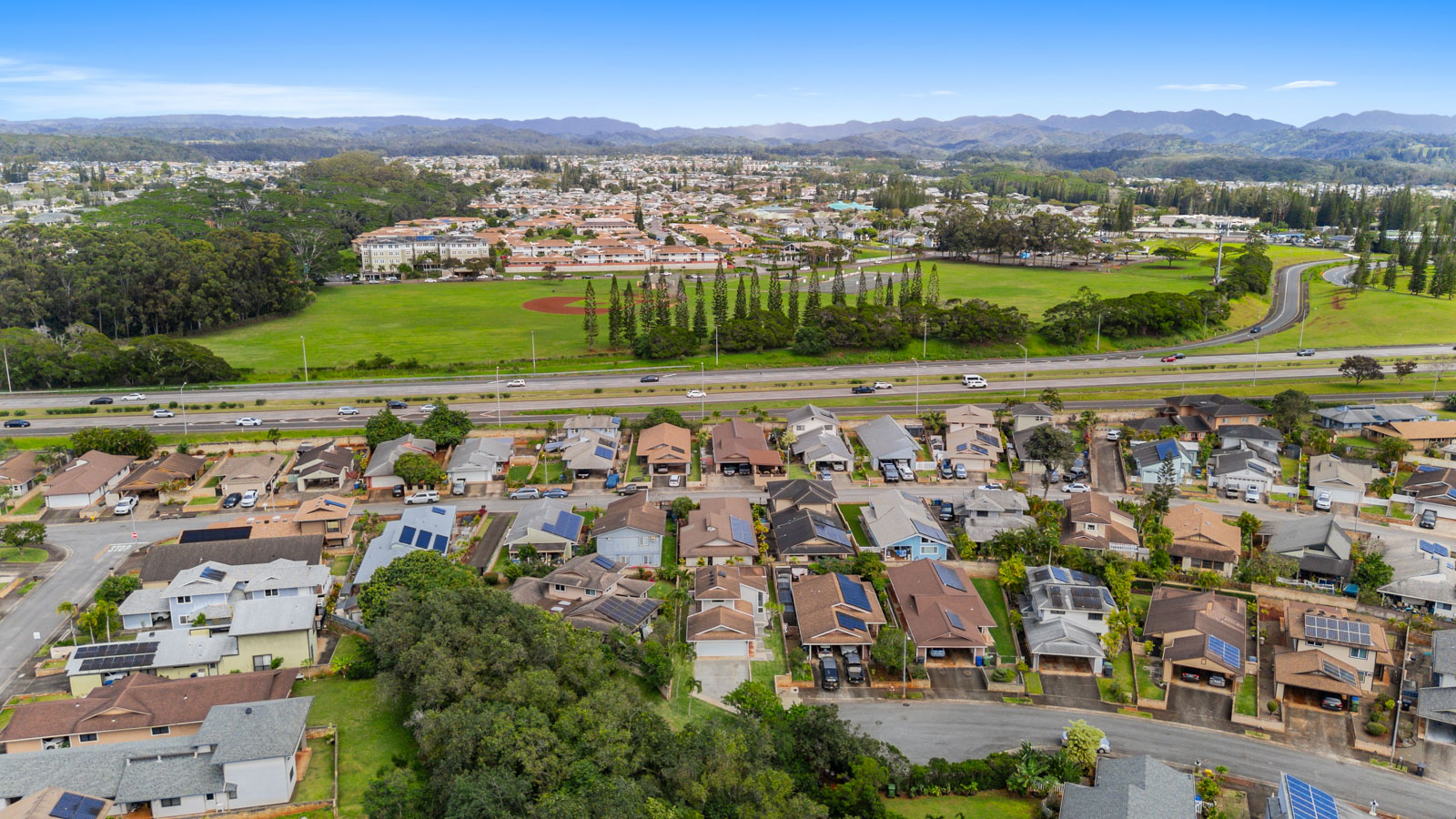
Aerial view of Mililani, Oahu - Central Oahu real estate by Your Oahu Home Team

Oahu Real Estate Market Updates, Neighborhood Guides & Homebuyer Tips

Welcome to Your Oahu Home Team's blog — your local resource for Oahu real estate market updates, neighborhood guides, and practical advice for buyers, sellers, and investors. We share insight on Mililani, Central Oahu, Kapolei, Ewa Beach, Ho'opili, and Koa Ridge, along with guidance on VA home loans, military relocation to Hawaii, and first-time homebuyer programs.

Whether you're searching for current Oahu market trends, exploring a new neighborhood, or preparing to buy or sell a home, you'll find clear, locally-focused information here to help you make confident real estate decisions.

Have a question about a specific neighborhood or property? Reach out anytime — we'd love to talk story with you.

April 1, 2026

Waikiki Commute Guide 2026: Drive Times, Traffic Tips, and Getting Around

Commuting from Waikiki

Waikiki is one of Oahu's most walkable neighborhoods, but commuting out of the area by car can be challenging due to limited access points. Kalakaua Avenue and Ala Wai Boulevard are the main routes in and out, and both experience heavy traffic during rush hours. For those working in downtown Honolulu or other parts of the island, planning your commute carefully is essential.

Drive Times to Key Destinations

  • Waikiki to Downtown Honolulu: 10–20 minutes
  • Waikiki to Ala Moana Center: 5–15 minutes
  • Waikiki to Pearl Harbor/JBPHH: 25–40 minutes
  • Waikiki to Honolulu Airport (HNL): 20–35 minutes
  • Waikiki to University of Hawaii Manoa: 10–20 minutes
  • Waikiki to Kailua: 25–40 minutes

Traffic Patterns

Morning rush hour heading out of Waikiki toward downtown and the H-1 freeway typically runs from 7–9 AM. The bottleneck on Ala Wai Boulevard and the McCully Street on-ramp can add significant time. Evening traffic returning to Waikiki peaks between 4–6 PM. Weekends bring tourist traffic that can slow Kalakaua Avenue considerably.

Public Transit

Waikiki is one of the best-served areas on Oahu for public transit. TheBus has numerous routes running through Waikiki connecting to Ala Moana Center, downtown Honolulu, UH Manoa, and beyond. The Waikiki Trolley also provides convenient tourist-oriented transit. The future Skyline rail extension is planned to eventually connect closer to the Waikiki area, which will further improve transit options.

What Families Should Know

Waikiki's walkability is a major advantage for daily errands, but car commuters should budget extra time during peak hours. Parking can be expensive and limited, so many residents rely on public transit or biking. The Ala Wai Canal bike path provides an alternative route for cyclists heading toward UH Manoa or Ala Moana.

Need help finding a home near Waikiki with an easy commute? Contact our team to discuss your options.

Related: Waikiki Schools Guide | Waikiki Property Tax Guide | Waikiki Parks Guide

Posted in Waikiki
April 1, 2026

Waikiki Schools Guide 2026: Public and Private School Options for Families

Schools Serving Waikiki Families

Waikiki is primarily known as a resort and tourism district, but families do live here—particularly in the quieter residential areas toward Diamond Head and the Ala Wai Canal. School options for Waikiki residents include nearby public schools in the Kaimuki-McKinley complex as well as several private schools within a short drive.

Jefferson Elementary School

The closest public elementary school to Waikiki, Jefferson Elementary is located just mauka of the Ala Wai Canal in the McCully area. The school serves a diverse student body and is within walking or short driving distance for most Waikiki families.

Washington Middle School

Located in the McCully-Mo'ili'ili area, Washington Middle School serves grades 6–8 and is the primary intermediate school for students feeding from the greater Waikiki area.

McKinley High School

One of the oldest public high schools in Hawaii, McKinley High is located just north of Ala Moana and serves the Waikiki district. The school has a strong academic tradition and offers various programs including STEM and career technical education.

Private School Options

Waikiki's central location provides access to several well-regarded private schools in the broader Honolulu area. Options include Punahou School, 'Iolani School, and Star of the Sea School, all within a 10–15 minute drive. Many Waikiki families choose private schools given the area's proximity to these prestigious institutions.

What Families Should Know

Living in Waikiki with school-age children is less common than in suburban neighborhoods, but it's doable—especially for families who value an urban lifestyle with beach access. The public school options are in the surrounding neighborhoods rather than Waikiki proper. Verify your DOE school assignment based on your specific address before purchasing.

Need help finding a family-friendly home near Waikiki? Contact our team to discuss your options.

Related: Waikiki Property Tax Guide | Waikiki Commute Guide | Waikiki Parks Guide

Posted in Waikiki
April 1, 2026

Wahiawa Shopping and Dining Guide 2026: Restaurants, Grocery Stores, and Local Eats

Shopping and Grocery in Wahiawa

Wahiawa's commercial scene reflects its small-town character. While you won't find large shopping malls here, the town center offers the essentials for daily life, and the local dining scene has a loyal following among residents and military families stationed nearby.

Wahiawa Shopping Center

The main retail hub in town, the Wahiawa Shopping Center includes a Sack N Save grocery store, Long's Drugs, and several local shops. It handles most everyday errands for residents who don't want to drive to Mililani or Pearl City.

Wahiawa Town Center

The historic downtown area along California Avenue features small local businesses, restaurants, and services. It has an older, more traditional feel compared to newer suburban shopping centers elsewhere on Oahu.

Grocery Options

  • Sack N Save – Budget-friendly grocery option in the Wahiawa Shopping Center.
  • Tamura's Market – Local grocery store known for poke and everyday essentials.
  • Walmart (nearby Mililani) – About 10 minutes south for bulk and general merchandise shopping.

Dining and Restaurants

Wahiawa's restaurant scene is unpretentious and local. The town is known for its plate lunch spots and longtime family-run eateries.

  • Maui Mike's Fire-Roasted Chicken – A popular stop for fire-roasted chicken and local plate lunches.
  • Shige's Saimin Stand – A Wahiawa institution serving saimin and local comfort food for decades.
  • Sunny Side – Breakfast and brunch spot popular with locals and military families.
  • Kilani Bakery – Known for fresh bread and pastries, a longtime Wahiawa favorite.

What Families Should Know

Wahiawa's shopping and dining options are modest but cover the basics well. For specialty stores, major retail, or a wider restaurant selection, residents typically head to Mililani Town Center (10 minutes) or Pearl City (20 minutes). The local dining scene, however, has charm and character that suburban chains can't match, and the affordable prices reflect the area's cost-friendly appeal.

Interested in living in a community with small-town character? Contact our team to explore homes in Wahiawa.

Related: Wahiawa Schools Guide | Wahiawa Property Tax Guide | Wahiawa Commute Guide

Posted in Wahiawa
April 1, 2026

Wahiawa Parks and Recreation Guide 2026: Trails, Nature, and Outdoor Activities

Parks and Nature in Wahiawa

Wahiawa is surrounded by natural beauty, from the pineapple fields of central Oahu to the lush trails of the Waianae and Ko'olau mountain ranges. While the town itself is more rural than suburban, residents enjoy easy access to unique outdoor attractions that are distinctly different from the beach-centric activities found on the coast.

Wahiawa Botanical Garden

A free 27-acre garden maintained by the City and County of Honolulu, featuring tropical and subtropical plants from around the world. The garden is set in a ravine and offers a cool, shaded walking experience. It's a peaceful retreat and one of Wahiawa's hidden gems.

Lake Wilson (Wahiawa Reservoir)

One of the few freshwater lakes on Oahu, Lake Wilson is popular for bass fishing and is surrounded by scenic walking paths. The reservoir is a unique outdoor attraction that you won't find in most other Oahu neighborhoods. Fishing permits are available through the state.

Wahiawa District Park

The main community park in town with basketball courts, a playground, picnic areas, and a swimming pool. The park hosts community events and youth sports programs throughout the year.

Kolekole Pass and Surrounding Trails

For hikers, the trails in the hills surrounding Wahiawa offer access to less-crowded routes with views of both the North Shore and central Oahu plains. Some trails require military base access through Schofield Barracks, while others are accessible to the general public.

Nearby Beaches

While Wahiawa doesn't have direct beach access, the North Shore beaches are only 15–20 minutes away. Haleiwa Beach Park, Sunset Beach, and Waimea Bay are all within easy driving distance, giving Wahiawa residents some of the best surf and sand on Oahu as a weekend destination.

What Families Should Know

Wahiawa's outdoor offerings are more nature-focused than beach-focused. The botanical garden, lake fishing, and mountain trails provide a different lifestyle than coastal neighborhoods. For families who enjoy a more rural, upcountry feel with easy North Shore access, Wahiawa delivers a unique outdoor experience on Oahu.

Looking for a home surrounded by nature in Wahiawa? Contact our team to explore available properties.

Related: Wahiawa Schools Guide | Wahiawa Property Tax Guide | Wahiawa Commute Guide

Posted in Wahiawa
April 1, 2026

Wahiawa Commute Guide 2026: Drive Times, Traffic Tips, and Getting Around Central Oahu

Commuting from Wahiawa

Wahiawa sits in the heart of central Oahu between the North Shore and the H-2 freeway corridor. The town's location provides relatively easy access to both military installations and the greater Honolulu area, though commute times can vary significantly depending on traffic conditions on H-2 and H-1.

Drive Times to Key Destinations

  • Wahiawa to Schofield Barracks: 5–10 minutes
  • Wahiawa to Wheeler Army Airfield: 5–8 minutes
  • Wahiawa to Pearl Harbor/JBPHH: 25–40 minutes
  • Wahiawa to Downtown Honolulu: 35–55 minutes
  • Wahiawa to Haleiwa/North Shore: 15–20 minutes
  • Wahiawa to Mililani: 10–15 minutes

Traffic Patterns

The H-2 freeway is the primary route south from Wahiawa. Morning rush hour southbound (toward Honolulu) can add 15–30 minutes to commute times, particularly at the H-2/H-1 merge. Afternoon traffic heading back north is generally lighter but can back up near the Mililani exits. Kamehameha Highway provides an alternative route but is slower during peak hours.

Public Transit

TheBus serves Wahiawa with several routes connecting to Mililani, Pearl City, and Ala Moana Center. Service frequency is lower than in urban Honolulu, so bus commuters should plan accordingly. The closest Skyline rail station is in Pearl Highlands, which requires a bus connection from Wahiawa.

What Families Should Know

Wahiawa's commute is most manageable for military families stationed at Schofield Barracks or Wheeler AAF, with base access just minutes away. Commuting to Honolulu or Pearl Harbor will require budgeting extra time for H-2 traffic. The trade-off is more affordable housing compared to neighborhoods closer to Honolulu.

Want to find a home with a shorter commute to your workplace? Contact our team to discuss the best Wahiawa neighborhoods for your situation.

Related: Wahiawa Schools Guide | Wahiawa Property Tax Guide | Wahiawa Parks Guide

Posted in Wahiawa
April 1, 2026

Wahiawa Schools Guide 2026: Elementary, Middle, and High Schools for Families

Public Schools in Wahiawa

Wahiawa is served by the Hawaii Department of Education's Leilehua-Mililani-Waialua complex. The town has its own set of elementary, middle, and high schools that serve families in central Oahu. Schools here tend to be smaller and more community-oriented compared to larger suburban areas.

Leilehua High School

The primary public high school serving Wahiawa and the surrounding area. Leilehua High has a strong athletics program and offers a range of academic and vocational programs. The school serves approximately 1,500 students and feeds from several local intermediate schools.

Wahiawa Middle School

Serving grades 6–8, Wahiawa Middle School is the main intermediate option for families in the area. The school offers standard academic programs along with electives in technology and the arts.

Notable Elementary Schools

  • Wahiawa Elementary – One of the oldest schools in the area, serving the central Wahiawa community.
  • Ka'ala Elementary – Located near Schofield Barracks, serving many military families.
  • Iliahi Elementary – A smaller school in the Wahiawa Heights area with a close-knit community feel.

Military-Connected Schools

Due to Wahiawa's proximity to Schofield Barracks and Wheeler Army Airfield, many families in the area are military-connected. Schools near the bases have experience supporting military families through PCS transitions and offer programs tailored to mobile students. The School Liaison Officer at Schofield Barracks can assist with enrollment and school selection.

What Families Should Know

Wahiawa's schools serve a diverse, military-heavy community. While the area may not have the test score averages of Mililani or Kailua, the schools offer smaller class environments and strong community support. Families should verify DOE school assignments for their specific address, as some areas of Wahiawa may feed into different school complexes.

Need help understanding school zones in Wahiawa? Contact our team to get guidance on which schools serve specific neighborhoods.

Related: Wahiawa Property Tax Guide | Wahiawa Commute Guide | Wahiawa Parks Guide

Posted in Wahiawa
April 1, 2026

Honolulu Shopping and Dining Guide 2026: Restaurants, Markets, and Local Favorites

Shopping in Metro Honolulu

Metro Honolulu is the commercial heart of Oahu, offering everything from world-class shopping centers to neighborhood mom-and-pop shops. Residents have access to the widest selection of retail, grocery, and dining options on the island.

Ala Moana Center

Hawaii's largest open-air shopping center and one of the biggest in the United States. Ala Moana Center features over 350 stores including luxury brands, department stores like Nordstrom and Macy's, and a massive food court. It's the primary shopping destination for the entire island.

Ward Village

A growing mixed-use neighborhood in Kaka'ako with boutique shops, restaurants, and the popular Ward Centre. The area hosts a farmers market on weekends and has become a hub for local artisan shops and trendy dining spots.

Kaimuki Town

Waialae Avenue in Kaimuki is one of Honolulu's best dining corridors, lined with locally owned restaurants, cafes, and bakeries. The neighborhood has a walkable, small-town feel with a strong local food scene that draws diners from across the island.

Grocery Options

  • Whole Foods Market – Located in Ward Village, offering organic and specialty groceries.
  • Foodland – Multiple locations including Ala Moana and Beretania, a beloved local chain.
  • Don Quijote – A 24-hour Japanese discount store on Kaheka Street with groceries and household goods.
  • Nijiya Market – Japanese grocery store in Ala Moana area with fresh sushi and specialty items.
  • Safeway – Locations in Kapahulu and Beretania serving the metro area.

Dining Highlights

  • Mud Hen Water – Modern Hawaiian cuisine in Kaimuki.
  • Senia – Award-winning fine dining in Chinatown.
  • Marukame Udon – Famous handmade udon noodle shop on Kuhio Avenue.
  • Helena's Hawaiian Food – A James Beard Award-winning institution serving traditional Hawaiian plates.
  • Pig and the Lady – Vietnamese fusion in Chinatown, a local favorite.

What Families Should Know

Living in metro Honolulu means never being far from great food and shopping. The density of options is unmatched on Oahu. Neighborhoods like Kaimuki and Kaka'ako offer the best walkable dining scenes, while Ala Moana Center handles major retail needs. Grocery shopping is convenient with multiple chains and specialty stores throughout the area.

Looking for a home in Honolulu's best neighborhoods for food and shopping? Contact our team to explore your options.

Related: Honolulu Schools Guide | Honolulu Property Tax Guide | Honolulu Commute Guide

Posted in Honolulu
April 1, 2026

Honolulu Parks and Recreation Guide 2026: Beaches, Trails, and Outdoor Activities

Parks and Green Spaces in Metro Honolulu

Metro Honolulu offers a surprising amount of outdoor recreation for an urban area. From mountain trails in Manoa to beachfront parks in Kaka'ako, residents enjoy year-round access to nature without leaving the city. The variety of parks, beaches, and trails is one of the biggest lifestyle advantages of living in Honolulu.

Kapi'olani Park

Honolulu's largest and oldest public park sits at the base of Diamond Head. The 300-acre park includes jogging paths, tennis courts, soccer fields, and the Honolulu Zoo and Waikiki Aquarium along its borders. It's a popular gathering spot for weekend picnics, farmers markets, and community events.

Manoa Falls Trail

A short but scenic 1.6-mile roundtrip hike through a lush rainforest canopy, ending at a 150-foot waterfall. The trail is accessible for most fitness levels and is one of the most popular hikes on Oahu. It's located just minutes from UH Manoa campus.

Diamond Head State Monument

The iconic Diamond Head crater trail is a must-do for residents and visitors alike. The moderate hike leads to panoramic views of Waikiki, the coastline, and the Ko'olau mountains. Early morning hikes are recommended to avoid crowds and heat.

Ala Moana Beach Park

One of Honolulu's most popular beaches, Ala Moana Beach Park features calm, protected waters ideal for swimming and stand-up paddleboarding. The park includes a large grassy area, tennis courts, and a magic island peninsula with views of Waikiki and Diamond Head.

Makiki Valley Trail System

A network of trails through the Makiki Valley offers moderate hiking options with forest views. The Makiki Loop Trail connects several paths for longer excursions and is a favorite among local trail runners.

Community Recreation Programs

The City and County of Honolulu operates numerous recreation centers throughout metro Honolulu offering sports leagues, fitness classes, after-school programs, and senior activities. Popular facilities include the Makiki, Kaimuki, and Manoa recreation centers.

What Families Should Know

Living in metro Honolulu gives families unmatched access to outdoor activities. Whether it's a morning hike up Diamond Head, an afternoon at Ala Moana Beach, or weekend soccer at Kapi'olani Park, the outdoor lifestyle is woven into daily life. Neighborhoods like Manoa and Makiki offer the closest access to mountain trails, while Kaka'ako and Kaimuki are near the best beach parks.

Want to live near Honolulu's best parks and outdoor spaces? Contact our team to find the right neighborhood for your lifestyle.

Related: Honolulu Schools Guide | Honolulu Property Tax Guide | Honolulu Commute Guide

Posted in Honolulu
April 1, 2026

Honolulu Commute Guide 2026: Drive Times, Traffic Tips, and Getting Around Metro Honolulu

Commuting from Metro Honolulu

Metro Honolulu covers a wide area from Kaka'ako and downtown to Manoa, Makiki, and Kaimuki. Commute times vary significantly depending on which neighborhood you live in and where you work. Generally, living in metro Honolulu means shorter commutes compared to suburban areas, with the trade-off being more traffic congestion during peak hours.

Drive Times to Key Destinations

  • Downtown Honolulu to Joint Base Pearl Harbor-Hickam: 20–35 minutes
  • Manoa to University of Hawaii: 5–10 minutes
  • Kaimuki to Ala Moana: 10–20 minutes
  • Makiki to Downtown: 10–15 minutes
  • Downtown to Honolulu Airport (HNL): 15–25 minutes

Traffic Patterns and Peak Hours

Morning rush hour runs from about 6:30–8:30 AM, with the heaviest congestion on H-1 westbound and the Likelike/Pali highways. Afternoon traffic picks up between 3:30–6:00 PM, particularly on H-1 eastbound through the merge areas near downtown. Side streets through Kaimuki and Kapahulu can serve as alternatives during peak times.

Public Transit Options

TheBus

Metro Honolulu has the best bus coverage on Oahu. Major routes connect downtown, Ala Moana Center, UH Manoa, Waikiki, and Kaimuki. The Ala Moana Transit Center serves as the main hub. Fares are affordable and monthly passes are available for regular commuters.

Skyline Rail

The Skyline rail system connects West Oahu to the Ala Moana area, with stations that serve commuters heading into the urban core. For residents in metro Honolulu, the rail provides a convenient connection to employment centers in Kapolei and along the H-1 corridor without dealing with highway traffic.

Biking and Walkability

Several metro Honolulu neighborhoods rank among the most walkable on Oahu. Kaka'ako, downtown, and parts of Kaimuki offer good sidewalk infrastructure and access to shops and restaurants on foot. The Biki bikeshare system operates throughout urban Honolulu with stations in most major neighborhoods.

What Families Should Know

Living in metro Honolulu generally means shorter commutes and better access to public transit compared to suburban neighborhoods. The trade-off is higher home prices and more urban density. Families who work downtown, at UH, or in the medical district will find commute times significantly reduced by living in neighborhoods like Manoa, Makiki, or Kaimuki.

Want to find a home with the best commute for your situation? Contact our team to discuss which Honolulu neighborhood fits your lifestyle.

Related: Honolulu Schools Guide | Honolulu Property Tax Guide | Living in Honolulu

Posted in Honolulu
April 1, 2026

Hawaii Kai Shopping and Dining Guide 2026: Restaurants, Grocery Stores, and Local Eats

Shopping and Grocery Options in Hawaii Kai

Hawaii Kai has a solid selection of shopping centers and grocery stores that serve the East Oahu community. While it's not as sprawling as Kapolei or Ala Moana, residents have convenient access to everyday essentials and a growing dining scene without needing to drive into town.

Hawaii Kai Towne Center

The main commercial hub of the neighborhood, Hawaii Kai Towne Center includes a Foodland grocery store, Long's Drugs, banks, and a variety of restaurants and small shops. It's the go-to spot for daily errands and quick meals.

Koko Marina Center

Located along the marina waterfront, Koko Marina Center offers a mix of dining, retail, and services. Anchor tenants include a movie theater and several popular restaurants. The center has a relaxed, waterfront atmosphere that sets it apart from typical strip malls.

Costco Hawaii Kai

The Costco at Hawaii Kai Towne Center is one of the busiest on Oahu. It's a major draw for bulk shopping and gas. Expect crowds on weekends, but the convenience of having a Costco in the neighborhood is a significant perk for families.

Dining and Restaurants

Hawaii Kai's restaurant scene covers a range of cuisines and price points, from casual plate lunch spots to waterfront dining.

Notable Restaurants

  • Kona Brewing Co. – Located at Koko Marina, known for craft beer and pizza with marina views.
  • Roy's Hawaii Kai – A longstanding fine dining option featuring Hawaiian fusion cuisine from celebrity chef Roy Yamaguchi.
  • Kokonuts Shave Ice & Snacks – A local favorite for shave ice and quick bites near the Towne Center.
  • Zippy's Hawaii Kai – A beloved local chain offering plate lunches, saimin, and baked goods.
  • Fatboy's – Popular for burgers and casual local-style dining.

What Families Should Know

Hawaii Kai's shopping and dining options are concentrated around two main centers, making errands efficient. The Costco and Foodland cover grocery needs well, and the dining scene at Koko Marina provides solid options for date nights and family meals. For specialty shopping or major retail, residents typically head to Kahala Mall or Ala Moana Center, both about 15–20 minutes away.

Looking for a home near Hawaii Kai's best shopping and dining? Contact our team to explore available properties in the area.

Related: Hawaii Kai Schools Guide | Hawaii Kai Property Tax Guide | Hawaii Kai Parks Guide

Posted in Hawaii Kai