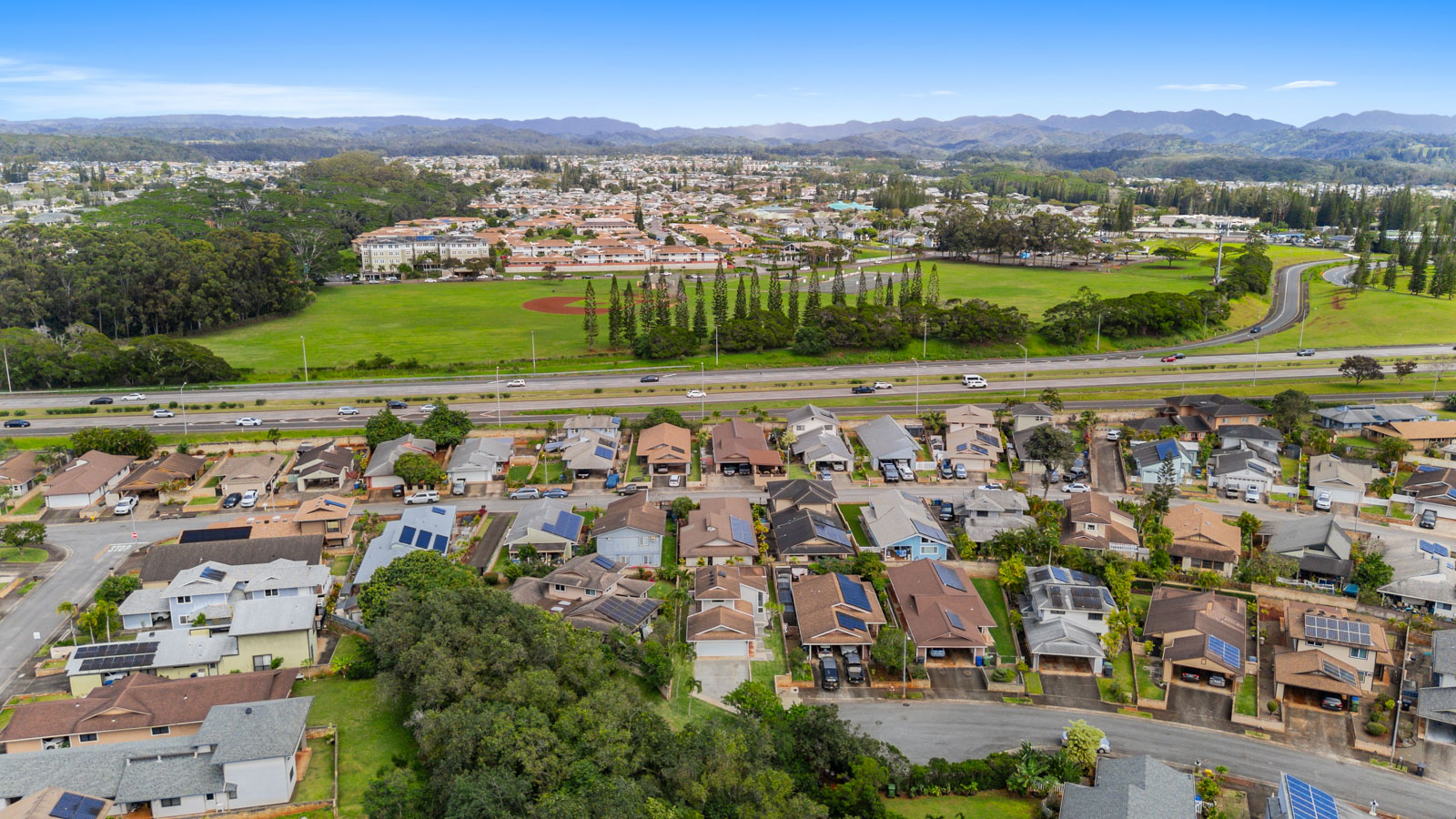
Aerial view of Mililani, Oahu - Central Oahu real estate by Your Oahu Home Team

Oahu Real Estate Market Updates, Neighborhood Guides & Homebuyer Tips

Welcome to Your Oahu Home Team's blog — your local resource for Oahu real estate market updates, neighborhood guides, and practical advice for buyers, sellers, and investors. We share insight on Mililani, Central Oahu, Kapolei, Ewa Beach, Ho'opili, and Koa Ridge, along with guidance on VA home loans, military relocation to Hawaii, and first-time homebuyer programs.

Whether you're searching for current Oahu market trends, exploring a new neighborhood, or preparing to buy or sell a home, you'll find clear, locally-focused information here to help you make confident real estate decisions.

Have a question about a specific neighborhood or property? Reach out anytime — we'd love to talk story with you.

April 1, 2026

Manoa Parks and Recreation Guide 2026: Trails, Nature, and Outdoor Activities

Parks and Recreation in Manoa: Outdoor Activities for 2026

Manoa Valley is one of Oahu's most nature-rich neighborhoods, offering residents direct access to stunning hiking trails, waterfalls, botanical gardens, and lush green spaces. The valley's tropical rainforest setting provides outdoor recreation opportunities that are unmatched in urban Honolulu. This guide covers the parks, trails, and recreation options available to Manoa residents in 2026.

Manoa Falls Trail

The Manoa Falls Trail is one of Oahu's most popular hiking destinations and is located right in the back of Manoa Valley. This approximately 1.6-mile round trip trail leads through a lush tropical rainforest to a beautiful 150-foot waterfall. The trail is accessible for most fitness levels, though it can be muddy and slippery after rain. It's a favorite among both residents and visitors, offering an easy escape into nature without leaving the neighborhood.

Lyon Arboretum

The Harold L. Lyon Arboretum, managed by the University of Hawaii, is a 194-acre botanical garden located in upper Manoa Valley. It features an extensive collection of tropical plants, native Hawaiian species, and conservation gardens. The arboretum offers walking trails through its grounds, educational programs, and guided tours. It serves as both a recreational space and an important research facility for tropical plant conservation.

Manoa Valley District Park

Manoa Valley District Park is the neighborhood's primary community park, offering sports fields, basketball courts, a playground, and open green space. The park hosts community events, youth sports leagues, and recreational programs throughout the year. It serves as a central gathering place for Manoa families and is maintained by the City and County of Honolulu's Department of Parks and Recreation.

Wa'ahila Ridge State Recreation Area

Located at the ridge above Manoa and St. Louis Heights, Wa'ahila Ridge State Recreation Area offers hiking trails with panoramic views of Honolulu, Waikiki, and Diamond Head. The Wa'ahila Ridge Trail connects to the broader Ko'olau Mountain trail system and provides a more challenging hiking option for experienced hikers. The recreation area also has picnic facilities and is a popular spot for enjoying views of the city below.

Community Recreation Programs

Manoa residents have access to recreation programs through the City and County of Honolulu's Department of Parks and Recreation. The Manoa Valley District Park offers organized sports, fitness classes, and youth programs. The nearby UH Manoa campus also provides community access to certain recreational facilities and hosts public events, lectures, and cultural programs throughout the year.

Final Thoughts on Manoa Parks and Recreation

Manoa Valley offers an exceptional outdoor lifestyle with world-class hiking trails, botanical gardens, and neighborhood parks all within walking distance. The valley's lush natural setting makes it one of the most desirable neighborhoods on Oahu for nature lovers and outdoor enthusiasts.

Interested in Manoa living? Browse our other neighborhood guides or contact us to find your perfect home.

Posted in Manoa
April 1, 2026

Manoa Property Tax Guide 2026: Rates, Exemptions, and What Homeowners Need to Know

Property Taxes in Manoa: Your 2026 Guide

Manoa is one of Honolulu's most desirable residential neighborhoods, known for its lush valley setting, excellent schools, and strong property values. Understanding property taxes is important for current homeowners and prospective buyers considering this popular area. This guide covers property tax rates, exemptions, and what homeowners need to know about property taxes in Manoa for 2026.

Honolulu County Property Tax Rates

Manoa falls within the City and County of Honolulu's tax jurisdiction. Property tax rates are set annually by the Honolulu City Council and vary based on property classification. Owner-occupied residential properties receive the lowest tax rate, while investment properties, vacation rentals, and commercial properties are taxed at progressively higher rates. The tiered rate structure makes the home exemption especially valuable for Manoa homeowners given the area's higher property values.

Property Values in Manoa

Manoa is known for its premium property values, particularly for single-family homes in the valley. Home prices in Manoa tend to be among the higher ranges in Honolulu due to the neighborhood's desirability, proximity to UH Manoa, excellent schools, and lush natural setting. Condominiums and townhomes in the area offer more moderate entry points. The assessed value determined by the City's Real Property Assessment Division forms the basis for annual tax calculations, and assessments are updated yearly to reflect market conditions.

Home Exemption

The home exemption is particularly important for Manoa homeowners given the area's higher property values. Owner-occupants who designate their Manoa property as their primary residence can apply for a home exemption that reduces their taxable assessed value. Homeowners under 65 receive a standard exemption amount, while those 65 and older qualify for a larger exemption. This exemption must be applied for through the City and County of Honolulu and can result in significant tax savings.

Additional Exemptions and Credits

Beyond the basic home exemption, Manoa homeowners may qualify for additional tax relief programs. These include exemptions for disabled veterans, totally disabled persons, and certain low-income homeowners. A tax credit is also available for homeowners whose property taxes exceed a specified percentage of their income. Given Manoa's higher property values, these additional programs can provide meaningful relief for qualifying homeowners.

How to Pay and Important Deadlines

Property taxes in Honolulu County are billed semi-annually, with payments due in August and February. Homeowners can pay online through the City and County of Honolulu's website, by mail, or in person. Late payments are subject to penalties and interest. New homeowners in Manoa should ensure their property tax account is properly set up and that any applicable exemptions are filed promptly after closing on their purchase.

Final Thoughts on Manoa Property Taxes

Manoa's premium property values mean that property taxes can be a significant annual expense for homeowners. Taking full advantage of available exemptions, especially the home exemption, is essential for managing your tax burden. Understanding the assessment process and staying current with payment deadlines will help you avoid unnecessary penalties.

Have questions about Manoa real estate? Browse our other Manoa guides or contact us for personalized assistance.

Posted in Manoa
April 1, 2026

Manoa Commute Guide 2026: Drive Times, Traffic Tips, and Getting Around

Commuting from Manoa: Your 2026 Guide

Manoa Valley's location in the heart of Honolulu provides residents with relatively convenient access to the city's major employment centers, though the valley's single main access road can create traffic challenges during peak hours. This guide covers drive times, public transit options, and commuting tips for Manoa residents in 2026.

Drive Times to Major Destinations

From Manoa, downtown Honolulu is approximately 10-15 minutes during off-peak hours via University Avenue or Punahou Street. Waikiki is about 15-20 minutes away, while Ala Moana is roughly 10 minutes. The University of Hawaii at Manoa campus is right at the valley entrance, making it a very short commute for university employees and students. For military families, Joint Base Pearl Harbor-Hickam is approximately 25-35 minutes via H-1, and Schofield Barracks is about 40-50 minutes depending on traffic.

Traffic Patterns and Peak Hours

Manoa Valley has one primary access road, which means traffic can bottleneck during rush hours. Morning commutes from 7:00-8:30 AM heading out of the valley toward downtown or the freeway can be slow, particularly along University Avenue and East Manoa Road. Evening return trips between 4:30-6:30 PM also experience congestion as residents head back into the valley. Knowing alternate routes through side streets and timing your commute outside peak hours can make a significant difference.

Public Transportation

TheBus provides regular service through Manoa Valley with multiple routes connecting to downtown Honolulu, Ala Moana Center, and the University of Hawaii campus. Bus stops along East Manoa Road, Oahu Avenue, and University Avenue offer convenient access for residents throughout the valley. The routes connect to the Ala Moana Transit Center, providing transfers to bus lines serving the entire island. Service frequency is highest during morning and evening commute hours.

Biking and Alternative Transportation

Biking from Manoa to downtown or the university is feasible for many residents, though the valley entrance area can be congested. The relatively flat route from lower Manoa to the UH campus makes cycling a practical option for university commuters. The Biki bike-share program has stations in the areas surrounding Manoa, providing an additional short-trip option. Walking is practical for UH-bound commuters living in lower Manoa.

Parking Considerations

Parking in Manoa is generally easier than in many Honolulu neighborhoods, with most homes offering off-street parking. However, parking near the UH campus and in lower Manoa's commercial areas can be competitive during weekdays. Residents commuting to downtown should be aware that downtown parking is limited and expensive, making public transit or carpooling attractive alternatives.

Final Thoughts on Commuting from Manoa

While Manoa's valley location means dealing with some traffic congestion at the valley entrance, the neighborhood's proximity to downtown Honolulu, the university, and major shopping areas keeps commute times manageable. Good bus service and cycling options provide alternatives to driving.

Thinking about moving to Manoa? Browse our other Manoa neighborhood guides or contact us to find your perfect home.

Posted in Manoa
April 1, 2026

Manoa Schools Guide 2026: Elementary, Middle, and High Schools for Families

Schools in Manoa: A 2026 Guide for Families

Manoa is one of Honolulu's most sought-after neighborhoods for families, thanks in large part to its excellent school options. Nestled in a lush valley at the base of the Ko'olau Mountains, Manoa offers access to highly regarded public schools, prestigious private institutions, and the University of Hawaii. This guide covers the school options available to Manoa families in 2026.

Elementary Schools

Manoa Elementary School is the neighborhood's primary public elementary school, serving students in grades K-5. The school is well-regarded for its strong academic programs, dedicated teachers, and active parent community. Manoa Elementary benefits from its location in a close-knit neighborhood where families are deeply involved in school activities. Noelani Elementary School also serves parts of the Manoa area and is known for its Hawaiian language immersion program, offering families a unique bilingual education option.

Middle Schools

For middle school, most Manoa students attend Stevenson Middle School, which serves grades 6-8. Stevenson is known for its strong academic programs and variety of elective courses including technology, arts, and foreign languages. The school provides a supportive environment for students transitioning from elementary to high school and offers extracurricular activities including sports, clubs, and performing arts.

High Schools

Manoa falls within the Roosevelt High School district for public high school. Roosevelt is one of Honolulu's established public high schools, offering Advanced Placement courses, career and technical education, and a wide range of extracurricular activities. Some Manoa families also consider nearby options. The proximity to the University of Hawaii at Manoa also provides unique opportunities for advanced high school students through dual enrollment programs.

Private School Options

Manoa's location provides convenient access to some of Hawaii's most prestigious private schools. Punahou School, one of the largest independent schools in the United States, is located adjacent to Manoa and serves students K-12. Mid-Pacific Institute is situated within the valley and offers a comprehensive college preparatory program. Other nearby private options include Iolani School, La Pietra Hawaii School for Girls, and various faith-based schools. These institutions offer rigorous academics, extensive extracurriculars, and strong college placement records.

University of Hawaii at Manoa

The University of Hawaii at Manoa, the state's flagship research university, is located at the mouth of Manoa Valley. While primarily a higher education institution, UH Manoa's presence enriches the entire community through cultural events, public lectures, athletic events, and the University Lab School, which serves as a demonstration school for innovative teaching methods from kindergarten through 12th grade.

Final Thoughts on Manoa Schools

Manoa's combination of strong public schools, access to top private institutions, and the presence of UH Manoa makes it one of Oahu's premier neighborhoods for education-focused families. The valley's tight-knit community feel adds to the appeal for families seeking quality schools in a beautiful setting.

Considering a move to Manoa? Browse our other Manoa neighborhood guides or contact us to find your perfect home.

Posted in Manoa
April 1, 2026

Makiki Shopping and Dining Guide 2026: Where to Shop, Eat, and Explore

Shopping and Dining in Makiki: Your 2026 Guide

Makiki offers a charming blend of local eateries, neighborhood shops, and convenient access to Honolulu's major shopping and dining destinations. While primarily a residential neighborhood, Makiki's central location puts residents within minutes of some of Oahu's best retail and restaurant options. This guide covers where to shop, eat, and explore in and around Makiki in 2026.

Local Dining and Restaurants

Makiki has a number of beloved local restaurants and eateries that give the neighborhood its character. Along streets like Wilder Avenue and South King Street, residents can find a diverse mix of cuisines including Japanese, Chinese, Korean, Thai, and classic Hawaiian plate lunch. Many of these are small, family-run establishments that have served the community for years. The neighborhood is also home to popular cafes, bakeries, and breakfast spots that draw both locals and visitors.

Punahou Street and King Street Corridor

The Punahou Street and South King Street corridors near Makiki serve as a hub for everyday shopping and dining. This area features a mix of restaurants, coffee shops, small retail stores, and service businesses. Residents can find everything from specialty food shops to hair salons and convenience stores. The area has a walkable, neighborhood feel that makes it a pleasant place to run errands and grab a meal.

Grocery and Everyday Essentials

Makiki residents have several grocery options nearby. Times Supermarket and Safeway locations are within a short drive, providing full-service grocery shopping. For specialty and organic items, Down to Earth and Whole Foods in the nearby Kaka'ako area offer additional choices. Small convenience stores and markets throughout the neighborhood provide quick access to everyday essentials without needing to drive far.

Ala Moana Center

Just minutes from Makiki, Ala Moana Center is one of the largest open-air shopping centers in the world. The center features hundreds of retail stores, from luxury brands to popular national chains, along with a diverse food court and sit-down restaurants. For Makiki residents, Ala Moana provides easy access to major department stores, specialty retailers, entertainment, and dining options all in one location.

Ward Village and Kaka'ako

The nearby Ward Village and Kaka'ako areas have become vibrant dining and shopping destinations in recent years. Ward Village features a mix of retail shops, restaurants, and entertainment venues. The Kaka'ako neighborhood hosts popular farmers markets, trendy restaurants, craft breweries, and unique boutique shops. These areas are easily accessible from Makiki and offer a more contemporary urban shopping and dining experience.

Final Thoughts on Makiki Shopping and Dining

Makiki's central Honolulu location gives residents the best of both worlds: charming neighborhood eateries and shops along with quick access to major retail destinations like Ala Moana Center and Ward Village. Whether you're looking for a local plate lunch or a day of retail therapy, everything is close at hand.

Interested in making Makiki your home? Browse our other Makiki guides or contact us for personalized help finding the right property.

Posted in Makiki
April 1, 2026

Makiki Parks and Recreation Guide 2026: Trails, Nature, and Outdoor Activities

Parks and Recreation in Makiki: Outdoor Activities for 2026

Makiki is one of Honolulu's most nature-rich neighborhoods, offering residents direct access to lush hiking trails, forested valleys, and well-maintained parks. Situated on the hillside above central Honolulu, Makiki provides a unique blend of urban convenience and outdoor recreation. This guide covers the parks, trails, and recreation options available to Makiki residents in 2026.

Makiki Valley Trail System

The Makiki Valley Trail system is one of the neighborhood's greatest assets. This network of interconnected trails winds through a lush native forest and offers hikes ranging from easy loop trails to more challenging ridge hikes. The Makiki Valley Loop Trail is a popular option that takes hikers through a tropical forest with native plants and birds. The trail system connects to the Tantalus Trail network, providing access to additional hiking routes and scenic overlooks of Honolulu and Diamond Head.

Tantalus and Round Top Drive

The Tantalus and Round Top Drive scenic loop is easily accessible from Makiki and offers some of the best views on Oahu. Multiple trailheads along the drive provide access to popular hikes. The area is also popular for scenic drives, cycling, and photography. Pu'u Ualaka'a State Wayside Park, located along Round Top Drive, features a lookout point with panoramic views of Honolulu, Waikiki, Diamond Head, and the ocean.

Makiki District Park

Makiki District Park serves as the neighborhood's primary community recreation space. The park features sports courts, a playground, open green space, and picnic areas. It hosts community events and provides a gathering place for residents of all ages. The park is maintained by the City and County of Honolulu's Department of Parks and Recreation and offers organized programs throughout the year.

Nearby Parks and Green Spaces

In addition to its own parks and trails, Makiki residents have easy access to several other notable green spaces. Thomas Square, one of Honolulu's oldest public parks, is nearby and hosts community events and art fairs. Ala Moana Beach Park, one of Oahu's most popular beach parks, is just a short drive away and offers swimming, walking paths, and picnic facilities. The Lyon Arboretum, located in nearby Manoa Valley, provides botanical gardens and nature trails for those seeking a peaceful outdoor experience.

Community Recreation Programs

Makiki residents have access to recreation programs through the City and County of Honolulu's Department of Parks and Recreation. Programs include youth sports leagues, fitness classes, senior activities, and seasonal events. The nearby community recreation centers offer additional programming including arts and crafts, dance, martial arts, and after-school programs for children.

Final Thoughts on Makiki Parks and Recreation

Makiki stands out among Honolulu neighborhoods for its exceptional access to nature and outdoor recreation. From the Makiki Valley Trail system to scenic Tantalus drives and neighborhood parks, residents enjoy an outdoor lifestyle that's hard to match in an urban setting.

Interested in Makiki living? Browse our other neighborhood guides or contact us to find your perfect home.

Posted in Makiki
April 1, 2026

Makiki Property Tax Guide 2026: Rates, Exemptions, and What Homeowners Need to Know

Property Taxes in Makiki: Your 2026 Guide

Understanding property taxes is essential for homeowners and prospective buyers in Makiki. As a desirable residential neighborhood in central Honolulu, Makiki properties span a wide range of values from condominiums to single-family homes on the hillside. This guide covers property tax rates, exemptions, and what homeowners need to know about property taxes in Makiki for 2026.

Honolulu County Property Tax Rates

Makiki falls within the City and County of Honolulu's tax jurisdiction. Property tax rates are set annually by the Honolulu City Council and vary based on property classification. Residential properties occupied by the owner typically receive the lowest tax rate, while investment properties and vacation rentals are taxed at higher rates. The residential rate for owner-occupied homes is significantly lower than rates for other classifications, making the home exemption particularly valuable for Makiki homeowners.

Property Values in Makiki

Makiki offers a diverse range of property types and values. Condominiums in the area can range from moderate to high-end pricing, while single-family homes, particularly those on the hillside with views, command premium prices. The assessed value of your property, determined by the City's Real Property Assessment Division, forms the basis for your annual tax calculation. Property assessments are updated annually to reflect current market conditions.

Home Exemption

The home exemption is one of the most important tax benefits available to Makiki homeowners. Owner-occupants who make their Makiki property their primary residence can apply for a home exemption that reduces their taxable assessed value. For homeowners under 65, the exemption amount reduces the assessed value by a set amount. Homeowners aged 65 and older receive a larger exemption. This exemption must be applied for through the City and County of Honolulu and requires the property to be the owner's primary residence.

Additional Exemptions and Credits

Beyond the basic home exemption, Makiki homeowners may qualify for additional tax relief programs. These include exemptions for disabled veterans, totally disabled persons, and certain low-income homeowners. The City and County also offers a tax credit for homeowners whose property taxes exceed a certain percentage of their income. It's worth checking with the Real Property Assessment Division to see if you qualify for any additional programs.

How to Pay and Important Deadlines

Property taxes in Honolulu County are billed semi-annually, with payments due in August and February. Homeowners can pay online through the City and County of Honolulu's website, by mail, or in person. Late payments are subject to penalties and interest. New homeowners should ensure their property tax account is properly set up and that any applicable exemptions are filed promptly after purchase.

Final Thoughts on Makiki Property Taxes

Makiki's central Honolulu location and diverse housing stock mean property tax obligations vary widely depending on property type and value. Taking advantage of available exemptions, particularly the home exemption for owner-occupants, can significantly reduce your annual tax burden.

Have questions about Makiki real estate? Browse our other Makiki guides or contact us for personalized assistance.

Posted in Makiki
April 1, 2026

Makiki Commute Guide 2026: Drive Times, Traffic Tips, and Getting Around

Commuting from Makiki: Your 2026 Guide

Makiki's central Honolulu location makes it one of the most conveniently situated neighborhoods for commuters on Oahu. Nestled between downtown Honolulu and the foothills of the Ko'olau Mountains, Makiki offers relatively short commute times to major employment centers, universities, and military installations. This guide covers drive times, public transit options, and traffic tips for Makiki residents in 2026.

Drive Times to Major Destinations

Makiki's central position provides quick access to many of Honolulu's key areas. Downtown Honolulu and the Capitol District are approximately 5-10 minutes away during off-peak hours. Ala Moana and Waikiki are similarly close at around 10-15 minutes. The University of Hawaii at Manoa campus is just a few minutes up the road. For military families, Joint Base Pearl Harbor-Hickam is roughly 20-30 minutes depending on traffic conditions, while Schofield Barracks and Wheeler Army Airfield are about 35-45 minutes via H-1 and H-2.

Traffic Patterns and Peak Hours

Like most of urban Honolulu, Makiki residents should expect heavier traffic during weekday morning and evening rush hours. The morning commute between 6:30-8:30 AM heading toward downtown or westbound on H-1 can be congested. Evening traffic from 4:00-6:30 PM slows travel on major routes. However, Makiki's advantage is its proximity to downtown, meaning many residents face shorter commute distances even when traffic is heavy. Side streets through Makiki Heights and Tantalus can sometimes provide alternate routes.

Public Transportation

Makiki is well served by TheBus, Oahu's public transit system. Multiple bus routes run along major streets including Wilder Avenue, Punahou Street, and Pensacola Street, connecting residents to downtown Honolulu, Ala Moana Center, the University of Hawaii, and other key destinations. The Ala Moana Transit Center, a major bus hub, is just minutes away and provides connections to routes serving the entire island. Bus service is frequent during peak commute hours.

Skyline Rail Access

While the Honolulu Skyline rail system does not have a station directly in Makiki, residents can access the rail system through connecting bus routes to nearby stations. The rail line serves West Oahu communities and provides an alternative commute option for those working in areas along the rail corridor. As the system continues to expand, connectivity for Makiki residents is expected to improve.

Biking and Walking

Makiki's relatively flat lower sections and proximity to downtown make biking a viable commute option for some residents. Bike lanes along several major streets connect to downtown Honolulu and the University of Hawaii. Walking is practical for errands and short trips, especially to nearby Punahou Street businesses and Ala Moana area shops. The neighborhood's hillside sections are steeper and more challenging for cycling.

Final Thoughts on Commuting from Makiki

Makiki's central Honolulu location is a major advantage for commuters. With short distances to downtown, the university, and major shopping areas, plus good bus service and proximity to the rail system, residents enjoy some of the most convenient commuting on Oahu.

Thinking about moving to Makiki? Browse our other Makiki neighborhood guides or contact us to find your perfect home.

Posted in Makiki
April 1, 2026

Makiki Schools Guide 2026: Elementary, Middle, and High Schools for Families

Schools in Makiki: A 2026 Guide for Families

Makiki is a centrally located Honolulu neighborhood known for its lush hillside setting and convenient access to quality schools. Families living in Makiki benefit from proximity to well-regarded public and private schools at every level. This guide covers the elementary, middle, and high school options available to Makiki residents in 2026.

Elementary Schools

Makiki families are served by several public elementary schools in the area. Lincoln Elementary School is one of the closest options, serving students in grades K-5 with a focus on academic fundamentals and community involvement. The school offers various enrichment programs and has an active parent-teacher organization. Additionally, some Makiki students attend nearby schools such as Jefferson Elementary or Lunalilo Elementary, depending on their specific address within the district boundaries.

Middle Schools

For middle school, Makiki students typically attend Washington Middle School, which serves grades 6-8. The school offers core academic programs along with elective courses in arts, technology, and physical education. Washington Middle School has a long history in the community and provides students with a solid foundation for their transition to high school. The school also offers various extracurricular activities including sports teams and academic clubs.

High Schools

Makiki falls within the Roosevelt High School district for public high school education. Roosevelt High School is one of Honolulu's historic public schools, offering a comprehensive curriculum with Advanced Placement courses, career and technical education programs, and a wide range of extracurricular activities. The school has strong athletics programs and active student organizations. Some families also consider McKinley High School, which is nearby and offers additional program options.

Private School Options

Makiki's central Honolulu location provides excellent access to several prestigious private schools. Punahou School, one of Hawaii's most well-known private institutions, is located nearby and serves students from kindergarten through 12th grade. Mid-Pacific Institute, Iolani School, and St. Andrew's Schools are also within a short commute. These private schools offer rigorous academic programs, extensive extracurricular activities, and strong college preparatory curricula.

Preschools and Early Education

Families with young children in Makiki have access to several preschool and early education programs in the surrounding area. Various Montessori schools, church-based preschools, and private early learning centers operate throughout the greater Makiki and Honolulu area. The YMCA and community organizations also offer early childhood programs that help prepare keiki for kindergarten.

Final Thoughts on Makiki Schools

Makiki's central location in Honolulu gives families convenient access to a strong mix of public and private school options at every grade level. From neighborhood elementary schools to prestigious private institutions, the area offers educational choices to fit a variety of needs and preferences.

Considering a move to Makiki? Browse our other Makiki neighborhood guides or contact us to find your perfect home.

Posted in Makiki
April 1, 2026

Makakilo Shopping and Dining Guide 2026: Where to Shop, Eat, and Explore

Shopping and Dining in Makakilo: Your 2026 Guide

Makakilo is a quiet, residential hillside community in West Oahu that offers convenient access to nearby shopping centers, restaurants, and everyday services. While the neighborhood itself is primarily residential, the adjacent Kapolei and Ewa Beach commercial areas provide residents with extensive retail and dining options just minutes away. This guide covers where to shop, eat, and explore near Makakilo in 2026.

Nearby Shopping Centers

Makakilo residents benefit from close proximity to several major shopping destinations in the Kapolei area. Ka Makana Ali'i, one of Oahu's newest shopping centers, features a wide selection of national retailers, department stores, and specialty shops. The center offers everything from clothing and electronics to home goods and is just a short drive from Makakilo. Additionally, the Kapolei Commons shopping area provides big-box retailers like Target, Costco, and Ross for everyday shopping needs.

Local Dining Options

The dining scene near Makakilo is centered around the Kapolei and Ewa Beach restaurant corridors. Residents can find a diverse mix of cuisines including Hawaiian plate lunch, Japanese, Korean, Filipino, and American fare. Popular dining spots along Farrington Highway and in the Ka Makana Ali'i food court offer everything from casual takeout to sit-down family dining. Local favorites include plate lunch shops, poke spots, and a growing number of national chain restaurants.

Grocery and Everyday Essentials

For grocery shopping, Makakilo residents have several options nearby. Safeway and Foodland are available in the Kapolei area, while Costco provides bulk shopping options. Times Supermarket and other local markets offer fresh produce, local snacks, and household essentials. Many residents combine their grocery runs with other errands in the Kapolei commercial district to maximize convenience.

Ka Makana Ali'i Shopping Center

Ka Makana Ali'i serves as the primary shopping and entertainment hub for West Oahu residents including those in Makakilo. The center features a mix of retail stores, restaurants, and entertainment venues. With regular community events, seasonal markets, and family-friendly activities, it has become a popular gathering spot for the entire region. The center continues to expand with new tenants and dining options.

Kapolei Commons and Retail Corridor

The Kapolei Commons area along Farrington Highway provides additional retail options for Makakilo residents. This commercial corridor includes hardware stores, pet supply shops, auto services, and various specialty retailers. The area continues to develop as West Oahu's population grows, with new businesses opening regularly to serve the expanding community.

Final Thoughts on Makakilo Shopping and Dining

While Makakilo itself is a residential community, its strategic location near Kapolei's growing commercial district gives residents easy access to a wide range of shopping and dining options. From major retail centers like Ka Makana Ali'i to local plate lunch spots and grocery stores, everything you need is just a short drive down the hill.

Interested in making Makakilo your home? Browse our other Makakilo guides or contact us for personalized help finding the right property.

Posted in Makakilo